
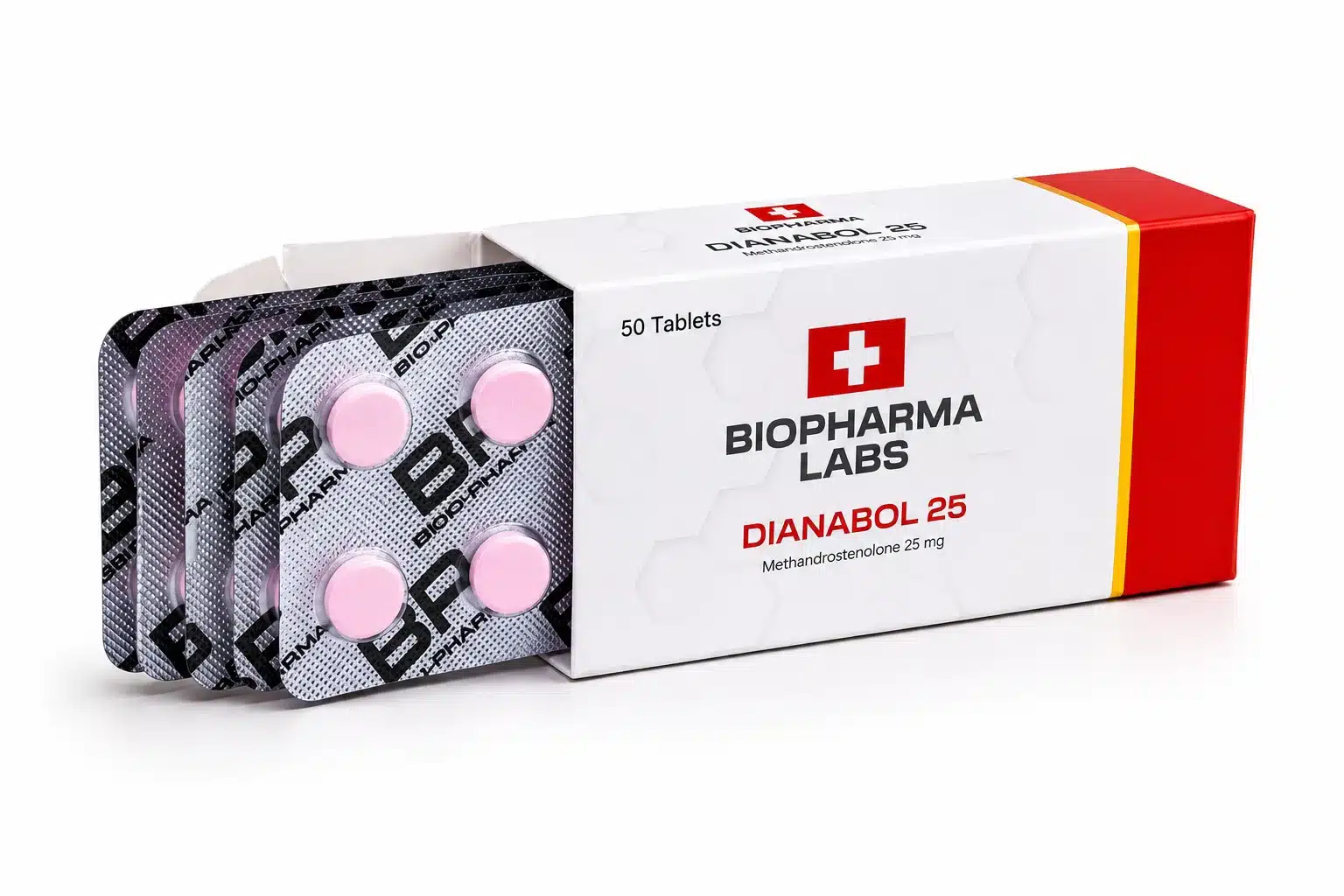
Dianabol (Methandienone) 25mg 50 tabs – Biopharma
$57.00
The active ingredient in DIANABOL is methandianone, which is an anabolic steroid derived from testosterone; Its main effect is anabolic, this being 200 times more powerful than the steroid (virilizing), so it can be recommended for both men and women. Methandianone stimulates nitrogen and calcium retention, thus promoting protein synthesis and encouraging weight gain.
Description
Dianabol 25mg 50 tabs – Biopharma
Dianabol is the historical brand name most strongly associated with methandienone, also known as metandienone or methandrostenolone. It is an orally active anabolic-androgenic steroid derived from testosterone and modified to produce activity after oral administration.
Although Dianabol is frequently discussed in bodybuilding culture, much of the information published online combines marketing claims, personal reports, unsupported dosage recommendations, and biomedical facts without distinguishing among them. The scientific evidence is considerably more limited and nuanced.
Human trials conducted mainly during the 1970s and early 1980s reported increases in body weight, nitrogen retention, total body potassium, and certain muscle measurements. However, the studies were small, research methods were less advanced than current standards, and the findings do not establish that every increase in body weight represented conventional skeletal-muscle tissue. Evidence regarding strength and performance was also not uniformly consistent.
Methandienone is a 17α-alkylated oral androgen. That structural characteristic contributes to its oral activity, but it also places the compound within a group of androgens strongly associated with cholestatic liver injury. Additional concerns include endocrine suppression, reproductive effects, lipid changes, cardiovascular risk, androgenic effects, psychiatric symptoms, and uncertainty about the identity and concentration of black-market products.
This article reviews Dianabol from a biomedical perspective. It does not provide cycles, non-medical dosing instructions, stacking protocols, or methods for evading drug testing.
Dianabol Key Facts
| Characteristic | Information |
|---|---|
| Historical brand name | Dianabol |
| Generic names | Methandienone, metandienone |
| Alternative chemical name | Methandrostenolone |
| Drug class | Anabolic-androgenic steroid |
| Molecular formula | C₂₀H₂₈O₂ |
| Molecular weight | Approximately 300.44 g/mol |
| CAS number | 72-63-9 |
| Primary molecular target | Androgen receptor |
| Historically associated formulation | Oral tablets |
| Defining structural feature | 17α-methylated testosterone derivative |
| Current U.S. classification | Schedule III controlled substance |
| Status in competitive sport | Prohibited anabolic agent |
| Current role in standard U.S. medicine | The original Dianabol product was discontinued and is not a routine contemporary therapy |
PubChem identifies methandrostenolone as the molecular entity associated with metandienone and describes it as an orally active anabolic-androgenic steroid. The DEA includes methandrostenolone among anabolic steroids, while the World Anti-Doping Agency’s 2026 Prohibited List places anabolic agents in the prohibited S1 category.
What Is Dianabol?
Dianabol is a former pharmaceutical trade name for methandienone. The term is now frequently used more broadly for products that claim to contain methandienone or methandrostenolone, even when those products have no connection to the original manufacturer.
Methandienone belongs to the anabolic-androgenic steroid class. These compounds are structurally and pharmacologically related to testosterone and can produce both anabolic effects, such as changes in skeletal muscle and nitrogen balance, and androgenic effects involving reproductive tissues, skin, hair follicles, and secondary sexual characteristics.
Calling a substance “anabolic” does not mean it is free from androgenic activity. The anabolic and androgenic properties of steroid molecules can differ in relative magnitude, but they cannot be separated completely in humans because both categories of effects are substantially mediated through androgen-receptor signaling.
Dianabol, Methandienone, Metandienone and Methandrostenolone
These names do not identify four different steroids.
- Dianabol is the best-known historical brand name.
- Methandienone is a common English generic spelling.
- Metandienone is another internationally used spelling.
- Methandrostenolone is an alternative pharmacological and chemical name.
Search engines and scientific databases may use different versions. A comprehensive article should therefore mention all four naturally, while using one consistent primary name throughout the body copy.
The preferred approach is:
Dianabol is the historical brand name for methandienone, also known as metandienone or methandrostenolone.
That sentence establishes the entity relationship without repetitively inserting every synonym into each paragraph. PubChem groups these terms under the same chemical entity.
Chemical Profile of Methandienone
Methandienone has the molecular formula C₂₀H₂₈O₂ and a molecular weight of approximately 300.44 g/mol. It is structurally related to testosterone but contains modifications that alter its metabolism and route of activity.
Two features are especially relevant:
- a methyl group at the 17α position;
- an additional double bond in the A-ring relative to testosterone.
The 17α-methyl group reduces rapid metabolic inactivation during the compound’s initial passage through the liver. This contributes to oral activity but also increases hepatic exposure.
The additional double bond changes the molecule’s structural and pharmacological behavior relative to testosterone. These changes do not create an entirely new biological signaling system. Methandienone remains an androgen-receptor agonist, and its principal actions are connected to androgen-responsive pathways.
Why Is Dianabol Orally Active?
Unmodified testosterone has limited oral effectiveness because extensive metabolism occurs before a sufficient amount reaches systemic circulation. Attaching a 17α-methyl group to an androgen can make the molecule more resistant to this first-pass metabolic process.
Methandienone is therefore classified as a 17α-alkylated oral androgen.
This modification is pharmacologically important, but it involves a major tradeoff. The same resistance to hepatic metabolism that supports oral activity also exposes the liver to a compound that is more difficult to process than non-alkylated testosterone.
The association between 17α-alkylated androgens and liver injury is well established at the drug-class level. NCBI LiverTox specifically includes methandrostenolone among C‑17α-alkylated androgens associated with prolonged cholestasis, peliosis hepatis, nodular changes, hepatic adenomas, and hepatocellular carcinoma. Not every exposed person develops these outcomes, and the probability cannot be calculated from a product label alone, but the structural risk is clinically meaningful.
History of Dianabol
Methandienone became one of the earliest widely marketed oral anabolic steroids in the United States during the late 1950s. Its historical development occurred during a period when pharmaceutical companies and sports researchers were investigating whether synthetic androgens could preserve anabolic activity while reducing androgenic effects.
Early medical and experimental interest included conditions involving catabolism, osteoporosis, loss of body mass, and other circumstances in which increasing nitrogen retention or body tissue was considered potentially beneficial.
Its profile later became closely connected to strength sports and bodybuilding. That history should not be confused with current medical approval. The original pharmaceutical product was discontinued, and methandienone is not a standard contemporary U.S. treatment for testosterone deficiency, osteoporosis, or muscle loss.
The historical record also predates current expectations for large randomized trials, long-term safety surveillance, validated body-composition methods, trial registration, and detailed adverse-event reporting. Consequently, historical use does not provide the same evidence as a modern regulatory approval program.
How Does Dianabol Work?
Methandienone produces biological effects primarily through androgen-receptor signaling. Its structural modifications change oral activity, metabolism, and relative pharmacological behavior, but the compound still interacts with the same central receptor system used by testosterone and other androgens.
Entry Into Androgen-Responsive Tissues
After absorption and entry into circulation, methandienone can reach tissues that express androgen receptors. These include skeletal muscle, bone, reproductive tissues, skin, hair follicles, the liver, and parts of the central nervous system.
The amount reaching a specific tissue depends on absorption, plasma distribution, metabolism, tissue blood flow, receptor expression, and individual physiology.
Binding to the Androgen Receptor
The androgen receptor is an intracellular nuclear receptor. When an androgen enters a responsive cell and binds to it, the receptor undergoes a structural or conformational change.
This activation changes how the receptor interacts with molecular chaperones, regulatory proteins, and cellular transport mechanisms. The activated receptor complex can then move into, or act within, the cell nucleus.
Interaction With DNA
Within the nucleus, activated androgen-receptor complexes interact with regulatory DNA sequences commonly called androgen response elements.
The receptor does not simply switch every “muscle gene” on. It recruits co-activators, co-repressors, transcription factors, and other proteins that can increase or decrease the transcription of specific genes. The exact response differs among tissues and depends on cellular context.
Changes in Gene Expression
Androgen-receptor signaling can alter expression of genes involved in:
- protein turnover;
- muscle-cell growth and remodeling;
- differentiation of muscle progenitor cells;
- erythropoietic signaling;
- bone metabolism;
- reproductive function;
- sebaceous-gland activity;
- hair-follicle behavior;
- neuroendocrine regulation.
These processes help explain why anabolic and androgenic effects occur together. The same receptor family involved in skeletal-muscle responses also operates in tissues where acne, hair changes, virilization, prostate effects, and reproductive suppression may occur.
Reviews of androgen-receptor biology describe the sequence of ligand binding, conformational activation, interaction with DNA-regulatory elements, and altered transcription. Research on anabolic steroids also recognizes that genomic androgen-receptor signaling is central, while additional non-genomic and compound-specific pathways may contribute.
Anabolic and Androgenic Effects Are Not Completely Separate
Anabolic-androgenic steroids were historically developed in an effort to increase tissue-building activity relative to masculinizing activity. Animal assays generated numerical anabolic-to-androgenic ratios, and these values are still repeated in commercial descriptions.
Those ratios should not be interpreted as precise predictions of human results.
They can vary according to:
- animal species;
- tissue selected for measurement;
- route of administration;
- comparison drug;
- study duration;
- assay design;
- metabolite formation.
A claim such as “Dianabol is hundreds of times more anabolic than androgenic” is not an adequate clinical description. It does not mean that androgenic effects become negligible, nor does it predict the experience of a specific person.
In humans, methandienone can produce both categories of effects because both are linked substantially to androgen-receptor activation.
Dianabol and the Hypothalamic-Pituitary-Gonadal Axis
Exogenous androgens can disrupt the hormonal feedback system that regulates endogenous testosterone production.
Normally, the hypothalamus releases gonadotropin-releasing hormone. This stimulates the pituitary gland to release luteinizing hormone and follicle-stimulating hormone. In men, luteinizing hormone supports testosterone production by the testes, while follicle-stimulating hormone contributes to spermatogenesis.
Androgen exposure can signal that sufficient sex-hormone activity is already present. The hypothalamus and pituitary may then reduce their output, decreasing luteinizing hormone, follicle-stimulating hormone, intratesticular testosterone, and sperm production.
A systematic review and meta-analysis of anabolic-steroid users found significant reductions in gonadotropins and endogenous testosterone during exposure. Recovery varied after discontinuation, and testosterone suppression could persist for weeks or months. Structural and functional sperm changes, reduced testicular volume, gynecomastia, menstrual abnormalities, clitoromegaly, and subfertility were also reported across the AAS literature. These findings concern the broader steroid class and should not be interpreted as a precise methandienone-specific incidence rate.
Dianabol Pharmacokinetics
Pharmacokinetics describes what the body does to a drug: absorption, distribution, metabolism, conjugation, and elimination.
Compared with long-acting injectable testosterone esters, methandienone does not depend on slow release from an intramuscular oil depot. It is historically associated with oral administration and undergoes absorption through the gastrointestinal tract followed by substantial hepatic processing.
Oral Absorption
The 17α-methyl modification allows a meaningful proportion of the compound to survive initial hepatic metabolism and reach systemic circulation.
Absorption does not guarantee identical blood concentrations in every person. Gastrointestinal conditions, food intake, liver function, other drugs, product composition, and individual metabolic differences can alter the concentration-time profile.
Distribution
After entering circulation, methandienone and its metabolites can distribute to androgen-responsive tissues. The biologically active fraction depends on the amount of parent compound present, protein binding, metabolism, and tissue-specific uptake.
Detailed modern pharmacokinetic datasets for pharmaceutical-grade methandienone are limited compared with currently approved medicines. Many numerical pharmacokinetic values repeated on commercial websites cannot be traced easily to robust contemporary human trials.
Is There a Single Dianabol Half-Life?
A single universal half-life should not be presented as absolute.
Online sources frequently state a short numerical half-life for Dianabol, but estimates can differ according to:
- analytical method;
- definition of the measured compound;
- formulation;
- exposure pattern;
- study population;
- sampling schedule;
- whether parent drug or metabolites were measured.
A plasma elimination estimate also does not indicate how long all biological effects persist, how long endocrine recovery takes, or how long a laboratory can detect metabolites in urine.
A scientifically responsible answer is:
Methandienone is generally considered a relatively short-acting oral anabolic steroid, but no single half-life value predicts its complete biological or analytical duration in every person.
Methandienone Metabolism
Methandienone undergoes extensive biotransformation. Research has identified reduction, hydroxylation, structural rearrangement, conjugation, and urinary excretion pathways.
Hepatic and Extrahepatic Transformation
Cytochrome P450 enzymes and other metabolic systems can add or remove functional groups from the steroid structure. Some transformations occur in the liver, while research has also implicated extrahepatic steroid-metabolizing enzymes.
These processes produce numerous metabolites rather than one simple inactive end product.
Reduction and Hydroxylation
Steroid-metabolizing enzymes can reduce double bonds or keto groups and add hydroxyl groups at different positions. The resulting metabolites may have different biological activity, stability, and detectability.
Modern analytical research continues to identify previously unrecognized reduced and rearranged metabolites after methandienone exposure.
Conjugation
Many steroid metabolites undergo phase-II conjugation. Glucuronic acid or sulfate groups may be attached, increasing water solubility and facilitating urinary elimination.
Anti-doping laboratories may examine free, glucuronide-conjugated, and sulfate-conjugated fractions because different metabolites are concentrated in different fractions.
Urinary Elimination
Parent methandienone and multiple metabolites can be excreted in urine. The pattern depends on the amount and duration of exposure as well as the analytical preparation used.
A human metabolism study warned that laboratory isolation conditions themselves can generate rearrangement products or other artifacts. This is an important analytical distinction: not every compound detected after harsh sample preparation necessarily existed in exactly that form inside the body.
Later investigations have used increasingly sensitive chromatography and mass-spectrometry methods to characterize long-term metabolites. Research published in 2025 reported newly confirmed reduced and rearranged metabolites that may extend future anti-doping detection capabilities.
How Long Does Dianabol Stay in Your System?
There is no single scientifically defensible number that applies to blood, urine, physiological effects, endocrine suppression, and sports testing simultaneously.
“Stays in your system” can refer to at least four different concepts:
| Concept | What It Means |
|---|---|
| Parent-drug exposure | How long measurable methandienone remains in a biological sample |
| Metabolite excretion | How long metabolic products continue to appear in urine |
| Biological effects | How long receptor-mediated or physiological changes persist |
| Anti-doping detection | How long a specific laboratory method can identify evidence of exposure |
These periods are not interchangeable.
In controlled analytical studies, specific long-term urinary metabolites have remained detectable considerably longer than the parent compound. One single-exposure study identified a long-term metabolite for up to 19 days under its experimental conditions. A later method detected a reported long-term metabolite for up to 26 days in a methandienone case study. Newer analytical techniques may identify additional markers.
Those observations are not personal clearance guarantees. Detection can vary with exposure, repeated use, product content, metabolism, specimen timing, laboratory sensitivity, and the metabolites included in the test panel.
Dianabol in Clinical Research
The direct human methandienone literature is substantially smaller and older than many online articles imply.
It includes early athletic-training experiments and trials evaluating body composition or former medical applications. These studies are historically important but should not be treated as modern proof of safety, long-term effectiveness, or an appropriate non-medical protocol.
Evidence Hierarchy Used in This Review
| Evidence Type | What It Can Establish | Important Limitation |
|---|---|---|
| Direct controlled methandienone trials | Effects observed under the specific study conditions | Generally old, small, and short |
| Methandienone metabolism studies | Metabolites and analytical pathways | Do not establish clinical benefit |
| Methandienone case reports | Plausible serious adverse-event signals | Cannot calculate incidence or always isolate one drug |
| AAS systematic reviews | Broader class-level endocrine or health effects | May involve many compounds and combinations |
| Observational AAS cohorts | Long-term associations in real users | Confounding, self-reported exposure, multiple drugs |
| Official regulatory sources | Legal classification and public-health position | Do not quantify individual clinical response |
Early Research on Strength and Lean Body Mass
A 1973 clinical-trial record evaluated an anabolic steroid in relation to strength and lean body mass. The PubMed entry identifies methandrostenolone as the studied substance, although the database record does not include an abstract, limiting the conclusions that can be drawn without reviewing the complete paper.
Its historical relevance is that researchers were already attempting to separate measurable increases in body mass from improvements in functional performance.
The 1976 Athletic-Training Study
A controlled crossover investigation published in The Lancet examined methandienone in men undergoing athletic training.
Participants gained more body weight during the methandienone period than during placebo. Muscle dimensions and total body potassium also increased. However, although strength and performance improved during training, the improvement was not significantly greater during the drug period than during placebo.
That result is important because it contradicts the oversimplified claim that every increase in weight automatically produces a proportional improvement in strength or athletic performance.
The 1981 Body-Composition Study
A later double-blind crossover experiment studied seven trained male weightlifters and added total-body nitrogen measurements to help determine the nature of the weight gained.
During the methandienone period, body weight, potassium, nitrogen, muscle size, leg performance, and strength increased significantly, whereas these outcomes did not increase in the same way during placebo.
However, the investigators concluded that the changes in nitrogen and potassium were disproportionately large relative to the increase in body weight. They cautioned that the tissue gained could not simply be described as normal muscle. This is one of the most important nuances in the direct Dianabol literature.
The study supports an anabolic effect under the experimental conditions, but it does not justify treating total scale-weight gain as pure contractile muscle.
Research in Osteoporosis
A two-year randomized, double-blind trial compared methandrostenolone with placebo in people with osteoporosis.
The treated group experienced an increase in total body potassium, particularly during the first six months. However, investigators did not observe a clear sustained improvement in bone mass using the methods available at the time.
The study illustrates another important distinction: a drug can alter one body-composition marker without demonstrating a durable improvement in the clinical outcome researchers hoped to achieve.
What Does the Research Actually Show?
The direct evidence supports a narrower conclusion than most bodybuilding descriptions provide:
Methandienone can alter body weight, nitrogen balance, total body potassium, muscle measurements, and some performance outcomes under controlled short-term conditions, but the composition and durability of the gained weight are complex, and strength findings have not been uniformly consistent.
The literature does not establish:
- that all weight gained is permanent skeletal muscle;
- that visual enlargement equals proportional contractile-tissue growth;
- that every individual responds similarly;
- that higher exposure produces a favorable risk-benefit relationship;
- that historical study conditions represent a safe modern protocol;
- that underground products contain the stated compound or concentration;
- that short-term experiments demonstrate long-term cardiovascular or hepatic safety.
Research Limitations
Small Sample Sizes
Some influential methandienone trials involved only a small number of participants. A statistically significant change in seven trained men can generate a useful experimental signal, but it cannot define the full range of human responses or rare adverse events.
Short Duration
Most direct research was too short to evaluate outcomes that develop over months or years, including atherosclerosis, cardiomyopathy, persistent infertility, hepatic tumors, dependence, or cumulative renal injury.
Older Measurement Technology
Modern studies can use dual-energy X-ray absorptiometry, magnetic resonance imaging, muscle ultrasound, isotope tracers, advanced hormone assays, and validated performance protocols.
Historical studies often relied on body weight, circumference, total body potassium, total body nitrogen, or other indirect measures. Those methods were useful but cannot always distinguish:
- intracellular water;
- extracellular water;
- glycogen-associated water;
- organ tissue;
- connective tissue;
- contractile skeletal-muscle protein.
Different Products and Purity Standards
Historical pharmaceutical products cannot automatically be equated with current underground tablets labeled “Dianabol.” Product identity, dose uniformity, contaminants, degradation, and excipients may differ.
Limited Female Data
Direct methandienone research in women is especially limited. Broader AAS evidence indicates risks of menstrual disruption, clitoromegaly, increased body hair, hair loss, acne, and voice deepening. Some virilizing effects may be irreversible.
Inadequate Long-Term Safety Data
Absence of a severe event in a short trial does not demonstrate absence of long-term risk. Many cardiovascular, hepatic, endocrine, and psychiatric outcomes require larger populations and longer observation.
Dianabol Effects on Body Composition
Body Weight
Body weight can increase during methandienone exposure, as historical controlled studies demonstrate.
However, body weight is a composite measurement. It includes:
- skeletal muscle;
- body water;
- glycogen;
- gastrointestinal contents;
- fat mass;
- organ mass;
- connective tissue.
Scale weight alone cannot identify which compartment changed.
Nitrogen Retention
Nitrogen is a major component of amino acids and proteins. A positive nitrogen balance suggests that nitrogen retention exceeds nitrogen loss and has historically been interpreted as evidence of anabolic activity.
The 1981 methandienone study found increased total-body nitrogen. Nevertheless, the investigators cautioned that the associated tissue changes could not be characterized simply as normal muscle.
Nitrogen retention therefore supports biological anabolism but does not by itself prove a specific quantity of new functional muscle protein.
Total Body Potassium
Potassium is concentrated largely inside cells and has historically been used to estimate aspects of lean tissue.
Methandienone studies reported increases in total body potassium. Yet potassium-based estimates can be affected by changes in cellular hydration and do not provide the same anatomical detail as modern imaging.
Muscle Size
Muscle dimensions increased in historical experiments, but size can reflect several simultaneous changes:
- muscle protein;
- glycogen;
- intracellular fluid;
- extracellular fluid;
- connective tissue;
- inflammation related to training.
A larger circumference does not reveal the exact contribution of each compartment.
Fat Mass
Methandienone should not be described primarily as a fat-burning drug.
Any changes in fat mass would be influenced by energy intake, energy expenditure, training, hormonal changes, and simultaneous changes in lean mass and water. Direct methandienone research does not support presenting Dianabol as a dedicated weight-loss or fat-loss agent.
Tags such as “fat burner,” “fat loss,” or “reduce body fat” can therefore misrepresent the pharmacological entity and weaken topical accuracy.
Does Dianabol Build Muscle?
The most accurate answer is:
Historical human studies indicate that methandienone can produce anabolic changes, including increased body weight, nitrogen retention, total body potassium, and muscle measurements. However, the gained weight cannot be assumed to consist entirely of normal contractile muscle, and the long-term retention of those changes has not been established adequately.
This answer is more scientifically defensible than either extreme:
- “Dianabol does not build any muscle.”
- “Every pound gained is pure permanent muscle.”
The evidence supports anabolic activity, but it also supports caution when interpreting scale weight, photographs, and short-term circumference changes.
Dianabol and Strength
Strength can improve during a training period for many reasons:
- neural adaptation;
- technical practice;
- increased body mass;
- improved leverage;
- training progression;
- expectation and placebo effects;
- changes in muscle tissue;
- increased glycogen and cellular fluid.
In the 1976 trial, strength and performance improved during both training periods and were not significantly better during methandienone exposure than during placebo, despite greater weight gain during the drug period.
The 1981 experiment reported increases in leg performance and strength during the methandienone period. Together, these findings suggest possible performance effects but also show that the direct literature is not uniform enough to support a simple universal claim.
Dianabol Before and After: Why Photographs Are Weak Evidence
“Dianabol before and after” is a common search because users want visible proof. Photographs, however, are among the least reliable methods for evaluating a drug effect.
Two images can differ because of:
- lighting;
- camera distance;
- lens distortion;
- posture;
- muscle contraction;
- carbohydrate intake;
- sodium intake;
- hydration;
- training-induced muscle pump;
- tanning;
- body-fat changes;
- image editing;
- concurrent drugs;
- elapsed time;
- deliberate selection of the most favorable photographs.
Even when photographs are genuine, they cannot determine how much change represents contractile muscle, glycogen, intracellular water, extracellular water, or fat.
A valid scientific assessment would require standardized imaging, controlled positioning, documented training and nutrition, validated body-composition methods, and disclosure of all simultaneous exposures.
Dianabol Side Effects and Health Risks
The risk profile of methandienone must be considered through two forms of evidence:
- direct evidence involving methandienone;
- broader evidence involving anabolic-androgenic steroids as a class.
Class-level evidence is highly relevant because methandienone shares central androgenic mechanisms and structural characteristics with other AAS. It should not, however, be used to invent a precise compound-specific incidence when that incidence has not been measured.
Liver Injury
Why the Liver Is a Central Concern
Methandienone is a C‑17α-alkylated androgen. This structural class has a much stronger association with cholestatic liver injury than standard esterified injectable testosterone formulations.
The liver may be affected even when early changes in routine transaminases are modest. A person can develop substantial bilirubin elevation, itching, dark urine, pale stools, or jaundice with an enzyme pattern that does not resemble classic acute hepatitis.
Cholestasis
Cholestasis occurs when bile formation or bile flow is impaired. Steroid-associated cholestasis may produce:
- progressive jaundice;
- severe itching;
- dark urine;
- pale or clay-colored stools;
- nausea;
- fatigue;
- appetite loss;
- elevated bilirubin.
Symptoms can persist after exposure stops because recovery of normal bile handling may be slow.
A published case described severe cholestasis and acute kidney failure after combined use of oral methandienone and injectable stanozolol. Because two steroids were involved, the report cannot assign the entire event to methandienone alone, but it demonstrates the seriousness of the clinical syndrome associated with this drug class.
Peliosis Hepatis and Hepatic Tumors
Long-term exposure to 17α-alkylated androgens has also been associated with peliosis hepatis, hepatic adenomas, nodular transformation, and hepatocellular carcinoma.
These are less common than transient laboratory changes, but their clinical importance is much greater. Risk cannot be excluded by the absence of symptoms during the first weeks of exposure.
Liver Tests Do Not Provide a Guarantee
Normal tests before exposure do not establish that future injury will not occur. Likewise, elevated AST and ALT in a resistance-trained person can partly reflect muscle injury, which may complicate interpretation.
A clinical assessment may require consideration of bilirubin, alkaline phosphatase, gamma-glutamyl transferase, creatinine, coagulation measures, symptoms, medication history, and other possible causes. Laboratory interpretation belongs in a medical context rather than being reduced to one enzyme value.
Cardiovascular Effects
The strongest long-term cardiovascular research generally concerns AAS users rather than methandienone alone.
Potential mechanisms include:
- reduction in HDL cholesterol;
- elevation of LDL cholesterol;
- increased blood pressure;
- endothelial dysfunction;
- ventricular remodeling;
- increased myocardial mass;
- impaired systolic or diastolic function;
- prothrombotic changes;
- accelerated coronary atherosclerosis.
A cardiovascular study of long-term illicit AAS users found associations with myocardial dysfunction and accelerated coronary atherosclerosis. The study does not isolate methandienone, and many users had complex exposure histories, but it shows why short-term muscle or strength outcomes cannot be evaluated independently from long-term cardiovascular health.
Lipid Changes
Oral 17α-alkylated androgens may produce unfavorable changes in lipoproteins. A reduced HDL level does not necessarily create immediate symptoms, but sustained adverse lipid patterns can contribute to long-term cardiovascular risk.
The magnitude varies according to compound, exposure, baseline health, diet, genetics, and simultaneous drug use.
Blood Pressure and Fluid Retention
Increased body water and altered vascular or renal regulation may contribute to higher blood pressure in some users.
Fluid retention can also affect visual appearance and scale weight, reinforcing why short-term “before and after” changes should not be treated as direct measurements of muscle tissue.
Thrombosis, Heart Attack and Stroke
Regulatory authorities warn that products containing anabolic steroids or steroid-like substances have been associated with myocardial infarction, stroke, deep-vein thrombosis, pulmonary embolism, and other serious reactions.
An individual case does not prove that one compound alone caused an event, but these outcomes are sufficiently serious that acute chest pain, severe shortness of breath, unilateral weakness, facial drooping, fainting, or a swollen painful leg requires urgent medical evaluation.
Endocrine Suppression and Fertility
Exogenous androgen exposure can suppress luteinizing hormone and follicle-stimulating hormone. In men, this may reduce intratesticular testosterone and impair sperm production.
Potential consequences include:
- decreased endogenous testosterone;
- reduced sperm concentration;
- impaired sperm quality;
- reduced testicular volume;
- decreased fertility;
- sexual dysfunction;
- fatigue or low mood after cessation.
Recovery is variable. Some people recover over time, while others experience prolonged symptoms or require specialist evaluation.
A systematic review found that gonadotropins and endogenous testosterone were significantly suppressed during AAS use. Testosterone could remain below baseline after discontinuation, and reproductive abnormalities could persist for weeks or months. Because the review combined multiple steroids and exposure patterns, it cannot predict an exact recovery period for Dianabol alone.
Can Dianabol Cause Gynecomastia?
Gynecomastia is possible in the context of anabolic-steroid exposure.
Breast tissue growth can occur when estrogenic stimulation becomes excessive relative to androgenic effects within breast tissue. Methandienone is associated with estrogen-related adverse effects, and fluid retention can also make chest changes appear more pronounced.
However, exact methandienone-specific incidence data are not well established. Individual risk can be influenced by:
- hormone exposure;
- duration;
- body-fat level;
- individual aromatase activity;
- age;
- genetics;
- other drugs;
- pre-existing breast tissue.
A tender lump or progressive breast enlargement should be medically evaluated rather than diagnosed solely from an online photograph.
Androgenic Effects
Because methandienone activates androgen receptors, it may produce androgenic effects even when promoted as an “anabolic” compound.
Reported class-related effects include:
- acne;
- oily skin;
- increased body or facial hair;
- scalp-hair loss in susceptible individuals;
- changes in libido;
- prostate-related symptoms;
- accelerated development of androgen-sensitive traits.
Genetic susceptibility is especially relevant to hair loss. Androgen exposure may accelerate an existing predisposition, but it does not affect every person identically.
Effects in Women
Women may experience virilizing effects, including:
- voice deepening;
- increased facial or body hair;
- acne;
- scalp-hair loss;
- clitoral enlargement;
- menstrual disruption;
- changes in fertility.
Some effects, particularly voice deepening and clitoral enlargement, may not reverse completely after exposure ends.
The lack of high-quality female methandienone trials should not be interpreted as evidence of safety. It means that the size and probability of the risks cannot be quantified adequately.
Pregnancy and Fetal Risk
Androgen exposure during pregnancy can interfere with fetal sexual development. A person who is pregnant, could be pregnant, or is attempting conception should not treat online claims or historical product descriptions as medical guidance.
This is a medical and teratogenic-risk issue, not merely a bodybuilding consideration.
Psychiatric and Behavioral Effects
The psychiatric response to anabolic steroids varies. Not every user develops severe mood or behavioral symptoms, but reported effects across the AAS literature include:
- irritability;
- anxiety;
- hypomanic or manic symptoms;
- aggression;
- sleep disturbance;
- depressive symptoms;
- changes in libido;
- dependence;
- withdrawal-related dysphoria.
A controlled study of 160 athletes found that some AAS users experienced prominent psychiatric syndromes, although responses varied and many participants did not experience the same severity.
These findings should not be reduced either to “steroids always cause rage” or “steroids never affect mood.” Both statements ignore substantial individual variability.
Kidney Effects
Methandienone-specific renal evidence is limited. Kidney risk should therefore be interpreted using case reports, broader AAS research, and the indirect consequences of other complications.
Potential contributors include:
- severe cholestasis;
- dehydration;
- elevated blood pressure;
- rhabdomyolysis;
- high body mass;
- high-protein intake;
- simultaneous nephrotoxic drugs;
- cardiovascular dysfunction.
A cohort of bodybuilders with long-term AAS exposure described focal segmental glomerulosclerosis, proteinuria, and renal impairment. The investigators discussed both direct toxicity and adaptive stress related to high lean body mass. Because multiple exposures and lifestyle factors were present, this evidence cannot assign a specific risk rate to methandienone.
Adolescents and Skeletal Maturation
Androgen exposure during adolescence may accelerate skeletal maturation and contribute to premature closure of growth plates.
An adolescent can temporarily appear more muscular or mature while potentially compromising final height and normal endocrine development. The medical significance differs from adult exposure because the endocrine and skeletal systems are still developing.
The DEA identifies premature growth-plate closure and abnormal sexual development among important risks of anabolic steroids in younger users.
When Urgent Medical Evaluation Is Needed
Symptoms that warrant prompt or emergency medical assessment include:
- yellow skin or eyes;
- dark urine or pale stools;
- severe generalized itching;
- persistent vomiting;
- severe upper-right abdominal pain;
- chest pain;
- sudden shortness of breath;
- fainting;
- coughing blood;
- a swollen or painful leg;
- sudden facial weakness or difficulty speaking;
- severe headache with neurological symptoms;
- markedly reduced urine output;
- confusion;
- suicidal thoughts;
- severe agitation, mania, or psychosis.
A person should disclose all hormones, bodybuilding products, supplements, and other drugs to the medical team. Product names alone may be unreliable because black-market formulations can be mislabeled.
Black-Market Dianabol and Product-Quality Risks
A tablet labeled “Dianabol” does not prove that it contains methandienone, the stated amount, or only the listed ingredient.
Potential quality problems include:
- no active ingredient;
- a different anabolic steroid;
- multiple undeclared drugs;
- underdosing;
- overdosing;
- uneven concentration among tablets;
- contamination;
- degradation;
- counterfeit packaging.
A systematic review and meta-analysis of black-market AAS reported substantial proportions of counterfeit and substandard products. Across more than 5,000 analyzed samples, the pooled estimates indicated that falsification and incorrect concentration were common, although rates varied widely among countries, product types, and studies.
This uncertainty has two implications:
- scientific effects reported for pharmaceutical methandienone cannot automatically be assigned to an unidentified underground tablet;
- a label cannot substitute for independent identity and quantitative testing.
Packaging appearance, QR codes, holograms, seals, or online verification pages may help identify a package series, but they do not independently establish chemical identity, concentration, dissolution, or contamination status.
Pharmaceutical Testing and Verification
Identification Testing
Analytical methods such as chromatography and mass spectrometry can help determine whether methandienone is present.
Identity testing answers:
Is the declared compound detectable?
It does not necessarily answer:
Is the amount correct?
Quantitative Testing
Validated quantitative analysis estimates the concentration of the active compound.
A meaningful report should identify:
- sample;
- batch or lot;
- analytical method;
- calibration approach;
- result;
- measurement units;
- laboratory;
- date;
- acceptance criteria.
Tablet Uniformity
Testing one blended sample may not show whether individual tablets contain consistent amounts. Unit-to-unit variation can create unpredictable exposure even when the average concentration appears plausible.
Contaminant Testing
A product can contain the stated active ingredient and still contain unwanted substances. Contaminant evaluation is a separate analytical question.
What a Certificate of Analysis Can and Cannot Prove
A genuine certificate tied to a traceable batch can provide useful evidence. A generic document uploaded to a website does not prove that every item sold came from the tested batch.
A credible certificate should be:
- batch-specific;
- dated;
- issued by an identifiable laboratory;
- connected to the tested sample;
- clear about methods and units;
- independently verifiable when possible.
Claims such as “pharmaceutical grade,” “GMP,” “lab tested,” or “100% pure” should not appear without evidence appropriate to the exact claim.
Is Dianabol Legal in the United States?
Methandrostenolone is an anabolic steroid and anabolic steroids are controlled under Schedule III of the U.S. Controlled Substances Act.
Schedule III status means manufacturing, distributing, dispensing, importing, exporting, or possessing the substance is subject to federal controls and applicable authorization. Individual circumstances can also involve state law.
The fact that Dianabol had historical medical use does not make current non-authorized sale or possession legal. Historical approval, chemical-reference use, medical prescribing, research registration, personal possession, and importation are legally distinct situations.
The DEA specifically lists methandrostenolone among anabolic steroids. Federal regulatory materials explain that anabolic steroids are Schedule III controlled substances and that unauthorized manufacture, distribution, sale, possession, or importation can result in criminal penalties.
Is Dianabol FDA Approved Today?
The original Dianabol product is no longer marketed as a routine FDA-approved medication in the United States.
This should be distinguished from two different statements:
- methandienone existed historically as a pharmaceutical product;
- methandienone is currently a standard approved U.S. therapy.
The first is true historically. The second should not be implied.
A chemical can also remain available as a certified analytical reference standard for legitimate laboratory work without being approved for sale as a consumer medicine.
Dianabol in Competitive Sport
Methandienone is prohibited in sport under the anabolic-agents category.
The World Anti-Doping Agency’s 2026 Prohibited List, effective January 1, 2026, includes anabolic agents under section S1. The prohibition applies in and out of competition for this class.
Athletes remain responsible for prohibited substances detected in their samples. A product being marketed as a supplement, research chemical, prohormone, or natural bodybuilding aid does not prevent an anti-doping violation if it contains a prohibited steroid.
Will Dianabol Show Up in a Urine Test?
A routine workplace drug screen does not necessarily test for anabolic steroids. Specialized sports, forensic, or steroid-testing panels can detect methandienone exposure by identifying characteristic urinary metabolites.
Modern anti-doping analysis may use:
- gas chromatography;
- liquid chromatography;
- tandem mass spectrometry;
- high-resolution mass spectrometry;
- targeted long-term metabolite panels.
Detection does not depend only on finding unchanged methandienone. Laboratories often target metabolites that remain measurable after the parent compound has declined.
Research has identified long-term urinary markers and continues to characterize additional reduced and rearranged metabolites. Therefore, an old detection estimate should not be treated as a guarantee against a newer analytical method.
Is Dianabol an Injectable Steroid?
The historical Dianabol product is primarily associated with oral methandienone tablets.
A product marketed as “injectable Dianabol” should not automatically be assumed to represent the original pharmaceutical formulation. It may involve:
- a different formulation;
- a compounded or underground product;
- another active ingredient;
- incorrect branding;
- an unverified claim.
Route of administration changes formulation requirements, sterility concerns, excipient considerations, and pharmacokinetics. Information about oral methandienone should not be transferred automatically to an injectable product carrying a similar name.
Is Dianabol the Same as Testosterone?
No.
Methandienone is structurally derived from testosterone and activates androgen receptors, but it is a distinct synthetic molecule.
Unlike testosterone enanthate, methandienone does not simply release biologically identical testosterone after ester hydrolysis. Its structural modifications remain part of the active molecule and influence:
- oral activity;
- metabolism;
- receptor interaction;
- metabolite formation;
- hepatic risk;
- relative anabolic and androgenic behavior.
Therefore, Dianabol should not be described as merely “oral testosterone.”
Dianabol vs. Testosterone Enanthate
| Feature | Methandienone | Testosterone Enanthate |
|---|---|---|
| Molecular type | Modified synthetic androgen | Esterified testosterone |
| Common historical route | Oral | Intramuscular injection |
| Key structural feature | 17α-methylation | Enanthate ester at the 17β hydroxyl |
| Activation process | Active steroid undergoes metabolism | Ester is hydrolyzed to release testosterone |
| Released hormone | Remains methandienone-related molecule/metabolites | Biologically equivalent testosterone |
| Depot release | No intramuscular oil depot in oral form | Prolonged release from injection depot |
| Cholestatic liver concern | Greater concern as a 17α-alkylated oral androgen | Lower cholestatic association than 17α-alkylated orals |
| Detection | Parent drug and multiple urinary metabolites | Testosterone profile, isotope analysis, ester/metabolite methods depending on context |
The two compounds share androgen-receptor-related effects, but their pharmacokinetics and metabolism are not interchangeable.
Frequently Asked Questions About Dianabol
What is Dianabol?
Dianabol is the historical brand name associated with methandienone, also called metandienone or methandrostenolone. It is an orally active synthetic anabolic-androgenic steroid related to testosterone.
Is Dianabol a steroid?
Yes. Methandienone belongs to the anabolic-androgenic steroid class and acts principally through androgen-receptor signaling.
Is Dianabol the same as methandienone?
Yes. Dianabol is the historical brand name, while methandienone or metandienone identifies the active steroid. Methandrostenolone is another name for the same chemical entity.
Does Dianabol build muscle?
Historical trials reported increased body weight, nitrogen retention, total body potassium, and muscle measurements. However, researchers cautioned that the gained weight could not be characterized entirely as normal muscle, and strength findings were not uniform across studies.
Is all Dianabol weight gain muscle?
No. Body-weight changes may include muscle tissue, glycogen, intracellular water, extracellular water, and other components. A scale or photograph cannot distinguish them.
Does Dianabol cause water retention?
Fluid-related changes have been reported in association with methandienone and other anabolic steroids. The degree varies and cannot be predicted from the product name alone.
Can Dianabol cause gynecomastia?
Yes, gynecomastia is a possible estrogen-related effect of anabolic-steroid exposure. The precise incidence for methandienone has not been established adequately.
Can Dianabol damage the liver?
Yes. Methandienone is a 17α-alkylated androgen, a structural class associated with cholestatic liver injury and, with longer exposure, more serious hepatic complications.
Can Dianabol affect cholesterol?
Anabolic steroids, especially certain oral 17α-alkylated androgens, can adversely affect HDL and LDL cholesterol. The size of the change varies among individuals and exposure patterns.
Does Dianabol suppress natural testosterone?
Exogenous androgen exposure can suppress luteinizing hormone, follicle-stimulating hormone, endogenous testosterone production, and spermatogenesis.
Can Dianabol affect fertility?
Yes. AAS exposure can reduce sperm production, alter sperm quality, reduce testicular volume, and impair fertility. Recovery after cessation is variable.
Can women use Dianabol without virilization?
No exposure can be guaranteed free from virilizing effects. Voice changes, increased hair growth, clitoral enlargement, menstrual disruption, acne, and scalp-hair loss may occur, and some changes may be permanent.
What is the Dianabol half-life?
Methandienone is generally considered a short-acting oral androgen, but a single universal half-life should not be presented as absolute. Published estimates depend on methodology and do not predict metabolite detection or endocrine recovery.
How long does Dianabol stay in your system?
The answer depends on whether “system” means blood, urine, biological effects, hormonal suppression, or anti-doping detection. Long-term metabolites may be detected considerably longer than the parent compound.
Will Dianabol show up on a drug test?
Specialized steroid and anti-doping tests can identify methandienone exposure through urinary metabolites. A routine drug screen may not include anabolic steroids unless specifically designed to do so.
Is Dianabol prohibited by WADA?
Yes. Methandienone is an anabolic agent prohibited under the WADA Prohibited List.
Is Dianabol legal in the United States?
Methandrostenolone is regulated as a Schedule III anabolic steroid. Manufacture, distribution, dispensing, importation, and possession are subject to federal and applicable state controls.
Is Dianabol FDA approved?
The original Dianabol product is discontinued and methandienone is not a routine current FDA-approved therapy in the United States.
Is Dianabol a fat burner?
No. Methandienone should not be classified as a dedicated fat-burning drug. Changes in appearance or body composition may reflect multiple factors, including water, glycogen, food intake, training, and energy balance.
Is there a medically established safe Dianabol dosage for bodybuilding?
No medically established non-medical bodybuilding dose has been proven safe. Historical experimental exposures should not be converted into self-directed dosing recommendations.
Are Dianabol before-and-after photos reliable?
They are weak evidence. Lighting, posture, hydration, muscle pump, sodium, carbohydrate intake, body-fat change, concurrent drugs, and image manipulation can substantially alter appearance.
Can a laboratory certificate prove that a Dianabol product is authentic?
A valid batch-specific analytical report can provide evidence about the tested sample. It does not automatically prove the identity and concentration of every product carrying similar packaging.
Conclusion
Dianabol is the historical name for methandienone, an orally active 17α-alkylated anabolic-androgenic steroid.
Direct human studies demonstrate that methandienone can alter body weight, nitrogen retention, total body potassium, muscle measurements, and certain performance outcomes. Those studies also reveal why the compound should not be described through simplistic claims. Weight gain did not necessarily represent normal muscle, strength findings were not consistently superior to placebo, and the influential trials were small, short, and conducted decades ago.
The biomedical assessment must also include evidence beyond short-term performance:
- 17α-alkylated androgens are associated with clinically important liver injury;
- anabolic steroids can suppress endogenous testosterone and spermatogenesis;
- long-term AAS exposure has been associated with cardiovascular dysfunction and coronary disease;
- psychiatric and reproductive responses vary substantially;
- black-market products frequently fail identity or concentration testing;
- modern anti-doping methods can identify long-term urinary metabolites;
- methandrostenolone remains a controlled substance in the United States and a prohibited anabolic agent in sport.
The strongest conclusion supported by current evidence is not that methandienone has no anabolic activity. It is that its measurable anabolic effects cannot be separated from meaningful uncertainty and multi-system risk.
Editorial and Medical-Review Information
Author: Michael R. Anderson, MD
Primary medical reviewer: Jonathan P. Miller, MD
Specialty: Endocrinology, Diabetes & Metabolism
Second medical reviewer: Rebecca L. Thompson, MD
Specialty: Internal Medicine / Hepatology
Fact-checker: Sarah K. Bennett, PharmD
Credentials: Doctor of Pharmacy; pharmacology and medical content review
Originally published: August 29, 2026
Last medically reviewed: August 29, 2026
Last evidence update: August 27, 2026
Editorial Method
This review prioritizes:
- human studies directly involving methandienone;
- systematic reviews and controlled research on anabolic-androgenic steroids;
- peer-reviewed metabolism and anti-doping studies;
- official information from PubChem, NCBI, DEA, FDA, and WADA.
Evidence involving the wider anabolic-steroid class is identified as class-level evidence and is not presented as a precise methandienone-specific incidence. Case reports are used to identify plausible serious adverse events, not to estimate frequency.
Commercial product descriptions, bodybuilding forums, anonymous anecdotes, and retailer dosage guides are not treated as primary biomedical evidence.
References
Aloia, J. F., Kapoor, A., Vaswani, A., & Cohn, S. H. (1981). Changes in body composition following therapy of osteoporosis with methandrostenolone. Metabolism, 30(11), 1076–1079. doi: 10.1016/0026-0495(81)90050-0.
Baggish, A. L., Weiner, R. B., Kanayama, G., Hudson, J. I., Lu, M. T., Hoffmann, U., & Pope, H. G., Jr. (2017). Cardiovascular toxicity of illicit anabolic-androgenic steroid use. Circulation, 135(21), 1991–2002. doi: 10.1161/CIRCULATIONAHA.116.026945.
Christou, M. A., Christou, P. A., Markozannes, G., Tsatsoulis, A., Mastorakos, G., & Tigas, S. (2017). Effects of anabolic androgenic steroids on the reproductive system of athletes and recreational users: A systematic review and meta-analysis. Sports Medicine, 47(9), 1869–1883. doi: 10.1007/s40279-017-0709-z.
Davey, R. A., & Grossmann, M. (2016). Androgen receptor structure, function and biology: From bench to bedside. Clinical Biochemist Reviews, 37(1), 3–15.
Drug Enforcement Administration. (2025). Steroids: Drug fact sheet. U.S. Department of Justice.
Habscheid, W., Abele, U., & Dahm, H. H. (1999). Severe cholestasis with kidney failure from anabolic steroids in a body builder. Deutsche Medizinische Wochenschrift, 124(36), 1029–1032. doi: 10.1055/s-2007-1024477.
Harrison, L. M., & Fennessey, P. V. (1990). Methandrostenolone metabolism in humans: Potential problems associated with isolation and identification of metabolites. Journal of Steroid Biochemistry, 36(5), 407–414. doi: 10.1016/0022-4731(90)90081-3.
Hartgens, F., & Kuipers, H. (2004). Effects of androgenic-anabolic steroids in athletes. Sports Medicine, 34(8), 513–554. doi: 10.2165/00007256-200434080-00003.
Herlitz, L. C., Markowitz, G. S., Farris, A. B., Schwimmer, J. A., Stokes, M. B., Kunis, C., Colvin, R. B., & D’Agati, V. D. (2010). Development of focal segmental glomerulosclerosis after anabolic steroid abuse. Journal of the American Society of Nephrology, 21(1), 163–172. doi: 10.1681/ASN.2009040450.
Hervey, G. R., Hutchinson, I., Knibbs, A. V., Burkinshaw, L., Jones, P. R. M., Norgan, N. G., & Levell, M. J. (1976). “Anabolic” effects of methandienone in men undergoing athletic training. The Lancet, 308(7988), 699–702. doi: 10.1016/S0140-6736(76)90001-5.
Hervey, G. R., Knibbs, A. V., Burkinshaw, L., Morgan, D. B., Jones, P. R., Chettle, D. R., & Vartsky, D. (1981). Effects of methandienone on the performance and body composition of men undergoing athletic training. Clinical Science, 60(4), 457–461. doi: 10.1042/cs0600457.
Magnolini, R., Falcato, L., Cremonesi, A., Schori, D., & Bruggmann, P. (2022). Fake anabolic androgenic steroids on the black market: A systematic review and meta-analysis on qualitative and quantitative analytical results found within the literature. BMC Public Health, 22, 1371. doi: 10.1186/s12889-022-13734-4.
National Center for Biotechnology Information. (2026). PubChem compound summary for CID 6300: Methandrostenolone. National Library of Medicine.
National Institute of Diabetes and Digestive and Kidney Diseases. (2020). Androgenic steroids. In LiverTox: Clinical and research information on drug-induced liver injury. National Institutes of Health.
Polet, M., Van Gansbeke, W., Van Eenoo, P., & Deventer, K. (2016). Efficient approach for the detection and identification of new androgenic metabolites by applying SRM GC-CI-MS/MS: A methandienone case study. Journal of Mass Spectrometry, 51(7), 524–534. doi: 10.1002/jms.3781.
Pope, H. G., Jr., & Katz, D. L. (1994). Psychiatric and medical effects of anabolic-androgenic steroid use: A controlled study of 160 athletes. Archives of General Psychiatry, 51(5), 375–382. doi: 10.1001/archpsyc.1994.03950050035004.
Schänzer, W., Geyer, H., Fusshöller, G., Halatcheva, N., Kohler, M., Parr, M. K., Guddat, S., Thomas, A., & Thevis, M. (2006). Mass spectrometric identification and characterization of a new long-term metabolite of metandienone in human urine. Rapid Communications in Mass Spectrometry, 20(15), 2252–2258. doi: 10.1002/rcm.2587.
Steff, J., Molaioni, F., Schlörer, N., de la Torre, X., Bureik, M., Botrè, F., & Parr, M. K. (2025). Reduced and rearranged metabolite structures after metandienone administration: New promising metabolites for potential long-term detection. Journal of Steroid Biochemistry and Molecular Biology, 253, 106801. doi: 10.1016/j.jsbmb.2025.106801.
Ward, P. (1973). The effect of an anabolic steroid on strength and lean body mass. Medicine and Science in Sports, 5(4), 277–282.
World Anti-Doping Agency. (2026). The 2026 Prohibited List: International Standard. World Anti-Doping Agency.


Reviews
There are no reviews yet.