
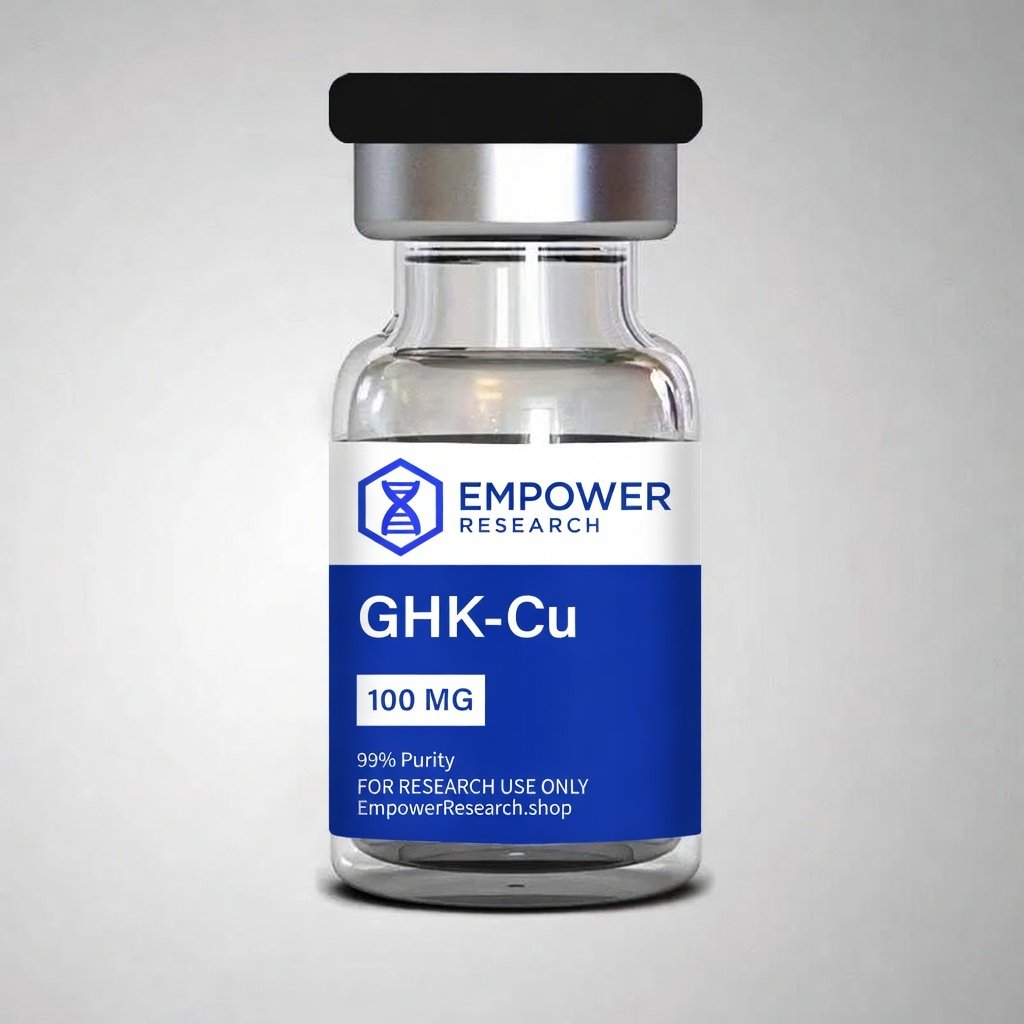
GHK-Cu
Price range: $39.00 through $55.00
GHK-Cu lyophilized peptide, highly purified for in vitro research into tissue regeneration, skin biology, and collagen synthesis. Not for human use.
Description
GHK-Cu : A Comprehensive Guide to One of the Most Researched Bioactive Peptides
In the evolving world of regenerative science and advanced biological research, certain compounds consistently stand out due to their versatility, safety profile, and breadth of scientific interest. Among these, GHK-Cu has earned a unique position. Known for its role in tissue repair, skin rejuvenation, and cellular signaling, this copper-binding peptide has been studied for decades and continues to attract attention across dermatology, wound care, and regenerative research.
Unlike trend-driven compounds that rise and fade quickly, this peptide has demonstrated sustained relevance due to its naturally occurring role in the human body and its wide-ranging biological activity.
Understanding the Structure and Origin of GHK-Cu
This peptide is a naturally occurring tripeptide composed of glycine, histidine, and lysine, bound to a copper ion. It is found in human plasma, saliva, and urine, with concentrations that tend to decline with age. This natural presence is one reason it has drawn significant scientific interest, as it mirrors processes already active within the body.
The copper-binding capability is critical. Copper plays an essential role in enzymatic reactions, angiogenesis, and antioxidant defense systems. When delivered through this peptide complex, copper becomes more bioavailable, allowing it to participate efficiently in biological signaling pathways.
Biological Functions and Mechanisms of Action
One of the most compelling aspects of this compound is its multifunctionality. Rather than acting on a single pathway, it influences a broad network of biological processes.
Cellular Repair and Remodeling
Research has shown that this peptide can activate genes associated with tissue regeneration while suppressing genes linked to inflammation and cellular breakdown. This dual action supports balanced tissue remodeling rather than aggressive overstimulation.
Collagen and Extracellular Matrix Support
Healthy skin and connective tissue depend heavily on collagen, elastin, and glycosaminoglycans. Studies indicate that the peptide encourages fibroblast activity, contributing to improved structural integrity of tissues.
Antioxidant Activity
Oxidative stress is a major contributor to cellular aging and dysfunction. The copper component supports enzymes such as superoxide dismutase, helping neutralize free radicals and protect cells from damage.
Applications in Skin and Aesthetic Research
The peptide gained early recognition in dermatological research due to its visible effects on skin quality. Investigations have explored its role in improving skin firmness, elasticity, and overall appearance.
Unlike harsh actives that rely on exfoliation or inflammation to drive results, this compound supports regenerative balance, which is why it is often studied in long-term skin health contexts. Researchers have also explored its effects on reducing the appearance of fine lines, improving skin tone, and supporting barrier recovery after environmental stress.
Role in Hair and Scalp Studies
Hair follicle health is closely tied to vascular supply, inflammation control, and extracellular matrix integrity. This peptide has been examined for its ability to support follicle environments by promoting angiogenesis and reducing oxidative stress in surrounding tissues.
While hair-related research is ongoing, early findings suggest that supporting the biological environment around follicles may be just as important as directly stimulating growth factors.
Tissue Repair and Recovery Research
Beyond cosmetic applications, the peptide has been studied extensively in wound repair models. These studies focus on its ability to accelerate healing while improving the quality of repaired tissue.
Rather than simply closing wounds quickly, it appears to support organized tissue regeneration, reducing irregular scarring and improving tensile strength. This makes it particularly interesting for broader regenerative medicine research.
Anti-Inflammatory and Immune Modulation Properties
Chronic inflammation is a root cause of many degenerative conditions. Research suggests that this compound can modulate inflammatory responses by influencing cytokine signaling and immune cell behavior.
By reducing excessive inflammatory signaling while preserving necessary immune responses, it supports tissue stability and recovery without compromising defense mechanisms.
Why Researchers Continue to Choose This Peptide
There are several reasons this compound remains a staple in research environments:
-
Naturally occurring in the human body
-
Broad biological activity without aggressive stimulation
-
Favorable safety profile in research contexts
-
Compatibility with other regenerative compounds
-
Extensive historical research backing
These factors contribute to its reputation as a foundational regenerative peptide rather than a niche compound.
Quality, Purity, and Sourcing Considerations
As interest grows, so does the importance of sourcing. When evaluating options where ghk-cu for sale, researchers should prioritize suppliers that provide verified purity, transparent manufacturing processes, and proper documentation.
High-quality synthesis and rigorous testing are critical to ensuring consistent results across studies. Impurities or incorrect copper binding ratios can significantly alter biological activity.
Those looking to buy ghk-cu should evaluate analytical data such as HPLC and mass spectrometry reports to confirm integrity and concentration.
Research-Grade Use and Professional Standards
This peptide is typically positioned for laboratory and research use. Maintaining professional standards around storage, handling, and application is essential for preserving stability and effectiveness.
When researchers buy ghk-cu peptide, they often integrate it into controlled experimental protocols designed to explore cellular signaling, tissue regeneration, or biochemical interactions.
Comparing This Peptide to Other Regenerative Compounds
While many peptides target narrow pathways, this compound stands out due to its systems-level influence. It does not replace specialized peptides but rather complements them by creating a biological environment conducive to repair and balance.
This is why it frequently appears in combination studies and multi-compound research frameworks focused on holistic regeneration.
Safety Profile and Research Observations
One reason for its longevity in scientific literature is its favorable safety profile. Because it is endogenously present in humans, it is generally well tolerated in research settings when used appropriately.
That said, responsible use remains essential. Dosage, exposure time, and experimental context should always be carefully controlled.
The Future of GHK-Cu Research
Ongoing studies continue to explore new applications, including age-related tissue degeneration, neuroprotective pathways, and advanced wound care models. As analytical tools improve, researchers are gaining deeper insights into gene expression modulation and long-term cellular effects.
The growing interest reflects a broader shift toward biological restoration rather than symptom suppression, positioning this peptide as a long-term player in regenerative science.
Final Thoughts
The sustained scientific interest in GHK-Cu peptide is not accidental. Its natural origin, broad biological activity, and research versatility make it a cornerstone compound in regenerative and aesthetic studies. From skin and hair research to tissue repair and inflammation modulation, it continues to demonstrate relevance across multiple disciplines.
For professionals evaluating whether to buy ghk-cu peptide, the focus should remain on quality, documentation, and alignment with research goals. When sourced responsibly and applied within structured protocols, this peptide offers a powerful tool for exploring the future of biological repair and regeneration.
Additional information
| Dosage | 50mg, 100mg |
|---|
Related products
-
TB500 5mg
Price range: $35.00 through $55.00 Select options This product has multiple variants. The options may be chosen on the product page -
BPC-157
Price range: $39.00 through $69.00 Select options This product has multiple variants. The options may be chosen on the product page -
Ipamorelin 5mg
Price range: $75.00 through $340.00 Select options This product has multiple variants. The options may be chosen on the product page -
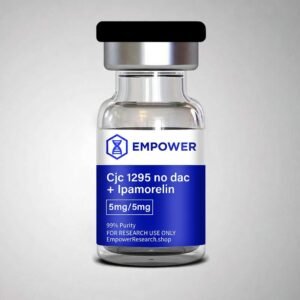
CJC 1295 no dac + Ipamorelin
Price range: $85.00 through $425.00 Select options This product has multiple variants. The options may be chosen on the product page
Reviews
There are no reviews yet.